WORKERS’ COMPENSATION INVESTIGATIONS
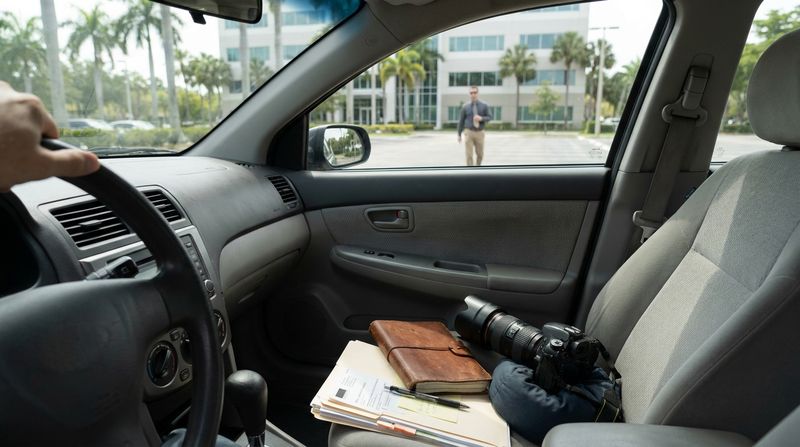
Workers’ Compensation Claim Investigations
Workers’ compensation investigations should be objective, proportionate, and focused on specific claim questions. We assist carriers, employers, third-party administrators, special investigation units, and defense counsel by documenting facts relevant to reported injuries, work activity, claim history, and alleged functional limitations.
How We Help
- Recorded or fact interviews: Develop the reported mechanism of injury, job duties, prior incidents, witnesses, treatment timeline, work status, and other claim facts within the authorized scope.
- Surveillance: Conduct lawful observation based on known schedules, appointments, activities, or other specific leads while respecting privacy and avoiding harassment.
- Activity and employment checks: Develop lawful information regarding addresses, businesses, employment indicators, public activity, and possible undisclosed work or income sources.
- Witness and workplace inquiries: Locate and interview coworkers, supervisors, neighbors, or other witnesses and document relevant workplace or incident information.
- Records and social-source research: Review court, corporate, property, licensing, address, and publicly available online information for facts relevant to the claim.
Our Investigative Process
Before fieldwork, we review the claim file, reported injury, restrictions, prior statements, employment information, medical appointments supplied properly, and the client’s specific questions. Surveillance is scheduled strategically and may be conducted over more than one date to avoid drawing conclusions from a single brief observation. Findings are reported accurately whether they support or contradict the investigative concern.
Information and Evidence We May Review
- Claim materials: First reports of injury, statements, job descriptions, restrictions, correspondence, photographs, prior surveillance, and other documents supplied by the client.
- Field documentation: Chronological observation logs, photographs, video references, location information, vehicles, and activities visible from lawful vantage points.
- Witness information: Accounts from employers, coworkers, witnesses, vendors, or other people with firsthand knowledge.
- Research findings: Business registrations, professional licenses, civil records, property information, public advertising, and social-media material accessible lawfully.
Reporting and Case Coordination
Reports describe the date, time, location, conditions, observations, video segments, interviews, research sources, and investigative limitations. We avoid medical conclusions and accurately distinguish between a brief observed activity and a pattern established through sufficient investigation.
Who We Assist
We support workers’ compensation carriers, self-insured employers, third-party administrators, defense attorneys, special investigation units, risk managers, and government entities with Florida claims and coordinated assignments elsewhere when appropriate.
Professional Boundaries
We do not determine compensability, disability, impairment, medical necessity, employment discipline, or benefit entitlement. We do not enter private property, use illegal tracking or interception, misrepresent law-enforcement authority, access protected medical or financial records improperly, or guarantee that surveillance will document a particular activity.
Confidential Consultation
Every matter begins with a confidential discussion of the known facts, objectives, location, urgency, and lawful scope. Call 954-615-7382 to discuss an assignment with Investigative Services Unlimited Group.