POST-CONVICTION & COLD CASE INVESTIGATIONS
Post-Conviction & Cold Case Investigations
An older criminal case may still contain important factual questions. A witness may not have been located, an account may need clarification or a newly available record may change the understanding of an event. Investigative Services Unlimited Group discusses independent factual review with defendants, families and post-conviction counsel, as well as families seeking answers in unresolved criminal matters.

Different Case Stages, a Focused Factual Assignment
Post-conviction investigation develops information that counsel can evaluate in relation to an existing conviction. Cold case investigation revisits unresolved events or leads in an older criminal matter. The two may overlap in the kinds of records and witness work involved, but the purpose, authorized recipients and next steps are defined for each assignment.
We begin by identifying the specific unresolved questions, prior investigative work and materials that are available. Counsel determines legal options, filing requirements and deadlines. An investigative review does not itself reopen a prosecution, change a conviction or establish that an allegation is true.
Reconstructing the Record
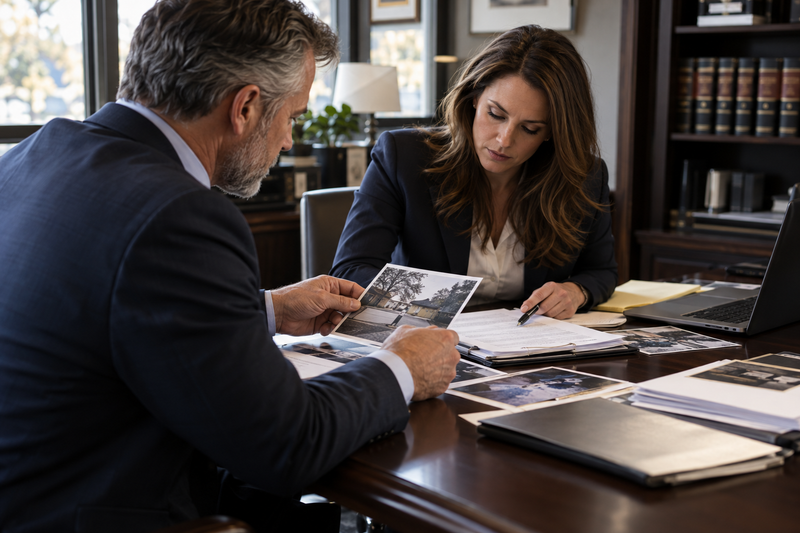
Available materials may include reports, trial-related records supplied through authorized channels, witness statements, photographs, recordings, correspondence and previous investigative notes. We organize the file, note missing items and identify the source and date of each important assertion.
A working chronology compares the sequence of events with the underlying sources. It can reveal where accounts agree, where they conflict and where a time or location remains an assumption. We avoid treating a repeated statement as independently corroborated simply because it appears in several documents.
Locating Witnesses & Revisiting Accounts
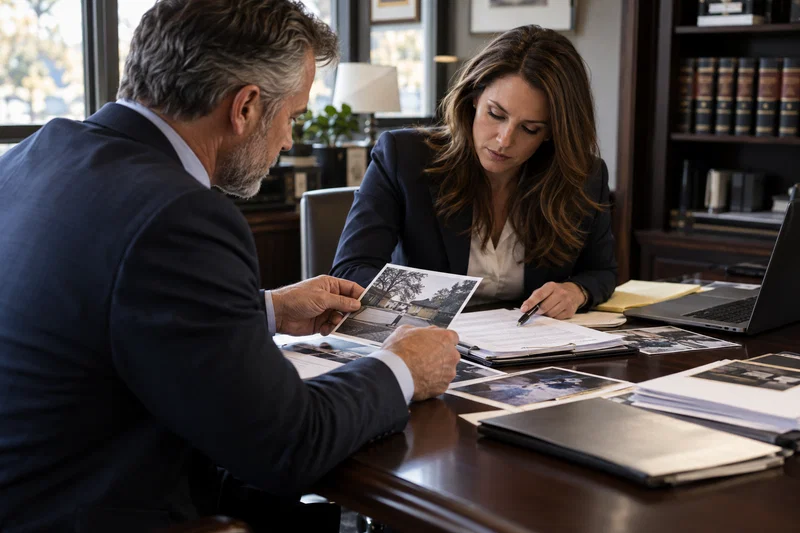
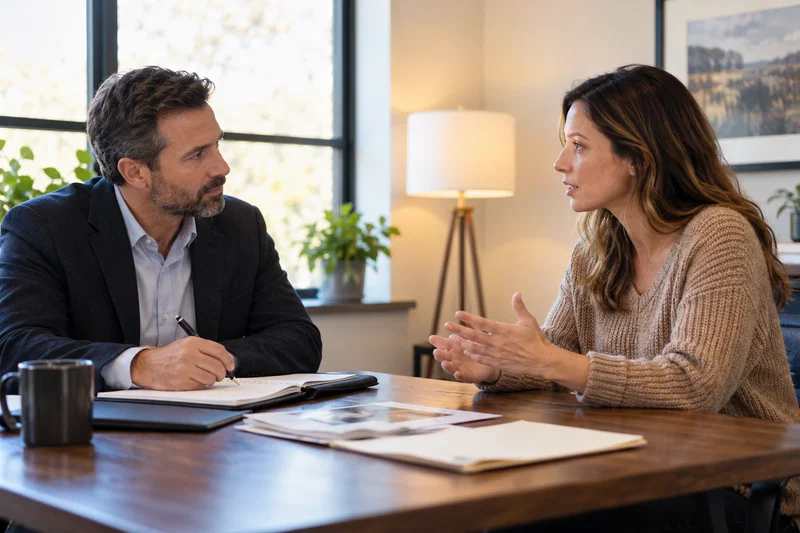
Witnesses can move, change contact information or recall events differently over time. We use lawful methods to identify potential locations and seek voluntary interviews. The report records the circumstances of the interview, what the witness personally describes and information that came from someone else.
When an account differs from an earlier statement, the difference is documented carefully. We seek clarification and available corroboration without promising a particular conclusion. A changed statement is a factual development for further evaluation, not an automatic finding that a prior account was false.
Scene Follow-Up & New Leads
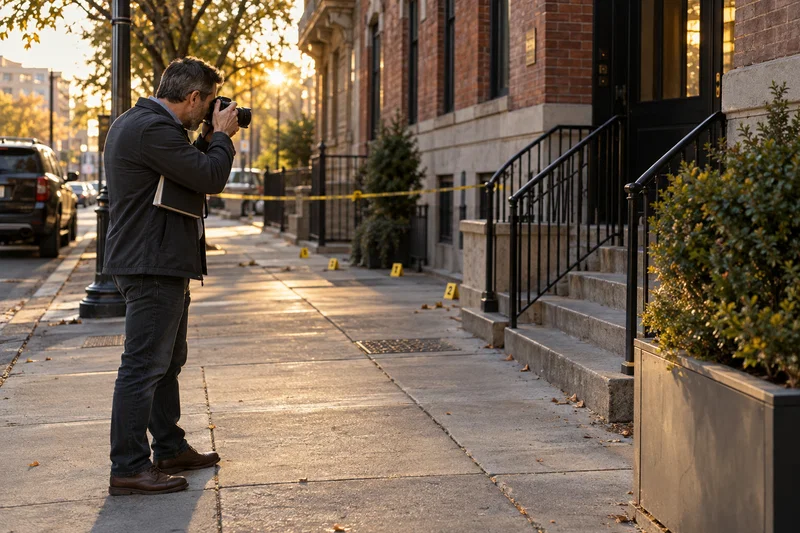
A location visit can help explain routes, distances, access points and the setting described in earlier accounts. Buildings, lighting and surrounding properties may have changed, so current observations are separated from historical evidence. We look for records and other sources that may help establish earlier conditions.
New leads are recorded with their origin and the steps needed to test them. A possible witness, recording or record is not described as recovered evidence until it has actually been obtained and reviewed. Requests, unsuccessful attempts and limitations remain part of the investigative history.
Evidence Questions & Specialized Review
We can identify questions involving physical, digital or other technical material for discussion with counsel. Any examination or testing requiring specialized expertise, lawful authority or access is addressed separately with the appropriate professional. Clients should keep original materials intact and discuss transfer arrangements before sending them.
What the Client & Counsel Receive
The work product may include an indexed record, source-linked chronology, interview summaries, scene photographs and a memorandum identifying completed tasks and open leads. Findings distinguish observations, reported information, corroborated details and matters that could not be verified.
We discuss progress as the inquiry develops. If a lead changes the required work, additional tasks and costs are addressed before expanding the assignment. In unresolved-death or other family matters, coordination with counsel or the appropriate agency is discussed when warranted by the information obtained.
Preparing for the First Discussion
Have the case number and location, the person’s current case status, known deadlines, attorney contact information, available records and a short list of specific questions ready. Tell us what has already been investigated and why you believe further factual work may be useful. A precise starting question helps make the review purposeful.
Discuss Your Assignment
Call 954-615-7382 to discuss the case location, current stage, deadlines and the questions you need answered. Nationwide assignments are arranged according to local licensing and applicable requirements.
Request a confidential consultation →
Illustrative service photographs do not depict actual ISUG clients, personnel or case evidence. ISUG provides investigative services; legal advice and representation come from an attorney. No particular outcome is guaranteed.